Category: Pulse
-

Getting started with Pulse v6 or v7
Pulse v6 was rebuilt using the REST API allowing a single Pulse Application Server to monitor many TM1 servers. This version includes many new features such as the Pulse Explorer (bringing a new way to easily view what is happening on all your TM1 instances second per second) and support for hierarchies.
-

Pulse v6.1 is now available
A new release of Pulse v6 is now available. In addition to being able to monitor IBM Planning Analytics (TM1) SaaS instances, Pulse can now be installed on Linux and monitor TM1 instances running on a Linux server.
-
Increasing the Pulse Web client session timeout
By default the Pulse Web client sessions timeout after 20 min of inactivity. To update the timeout value:
-
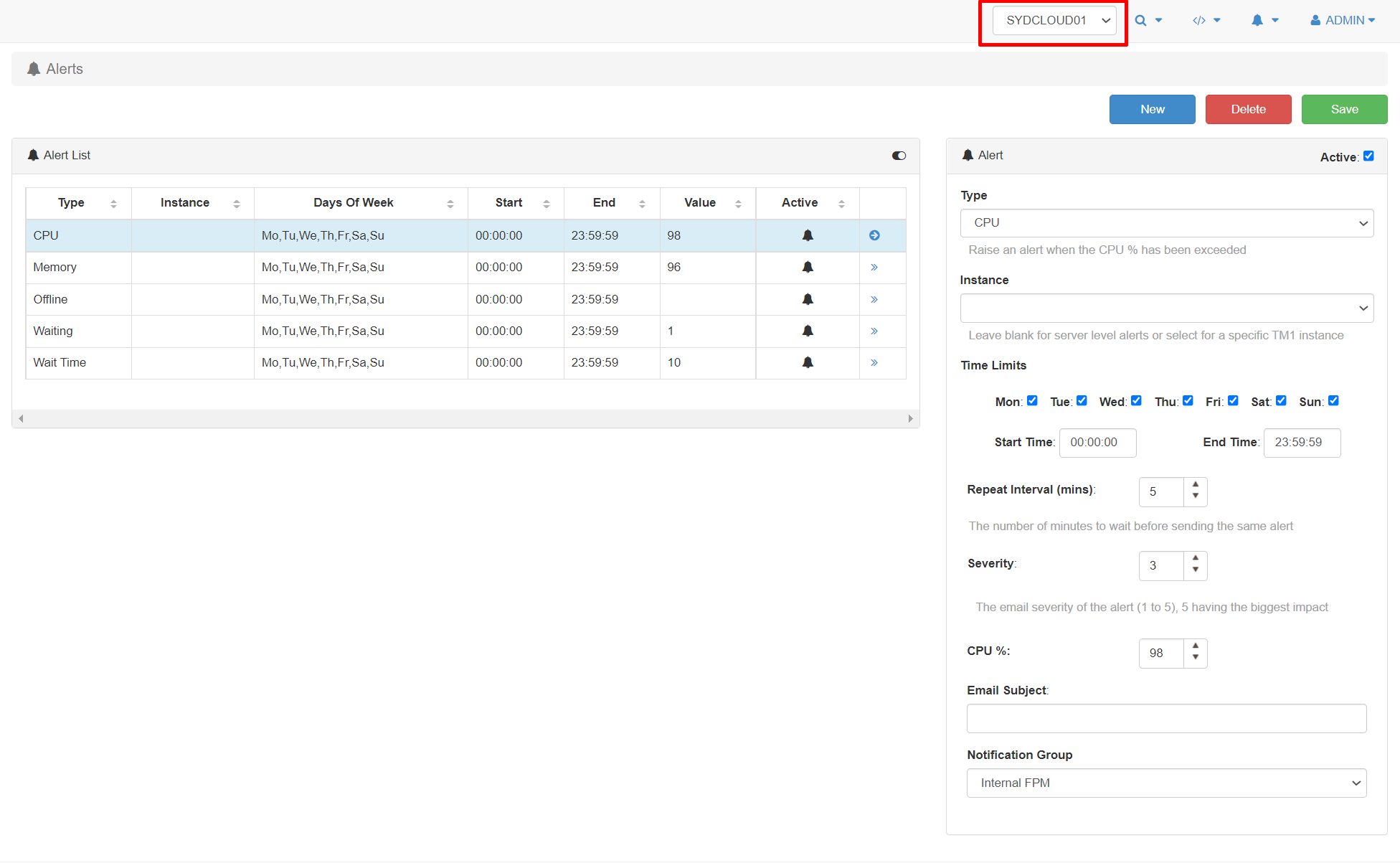
Creating a new Pulse alert
Pro-active Alerts can be configured based on multiple scenarios and triggers. Allowing you to rectify problems BEFORE they become an issue. Alert types include memory use, free disk space, wait time, TM1 crashes, error logs, message logs, run time, etc.
-
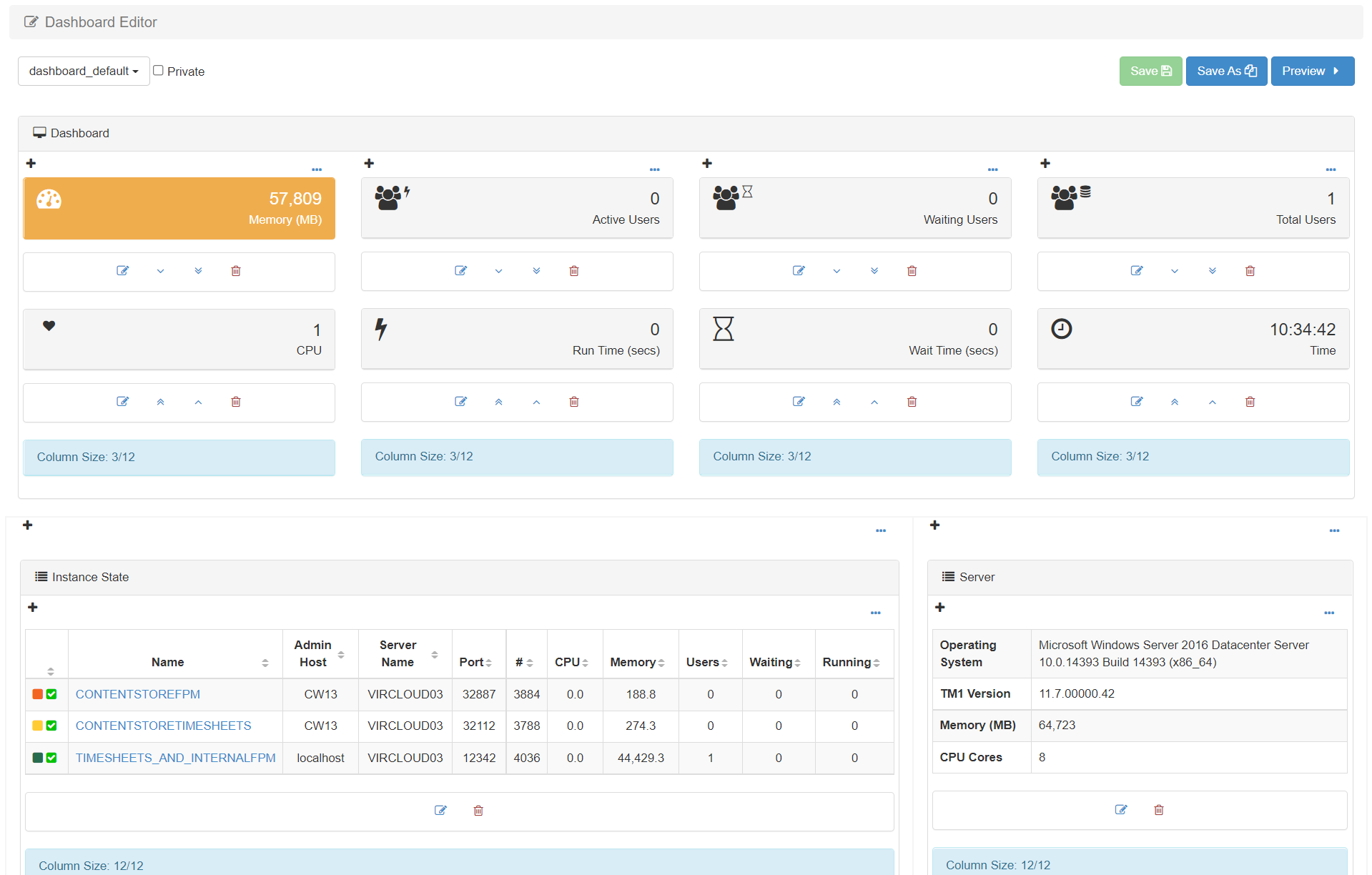
Pulse Dashboard Editor
The Dashboard Editor enables you to edit the default Pulse dashboard. For example, you could change the KPIs at the top or show all TM1 instances instead of just the one from the selected server.
-
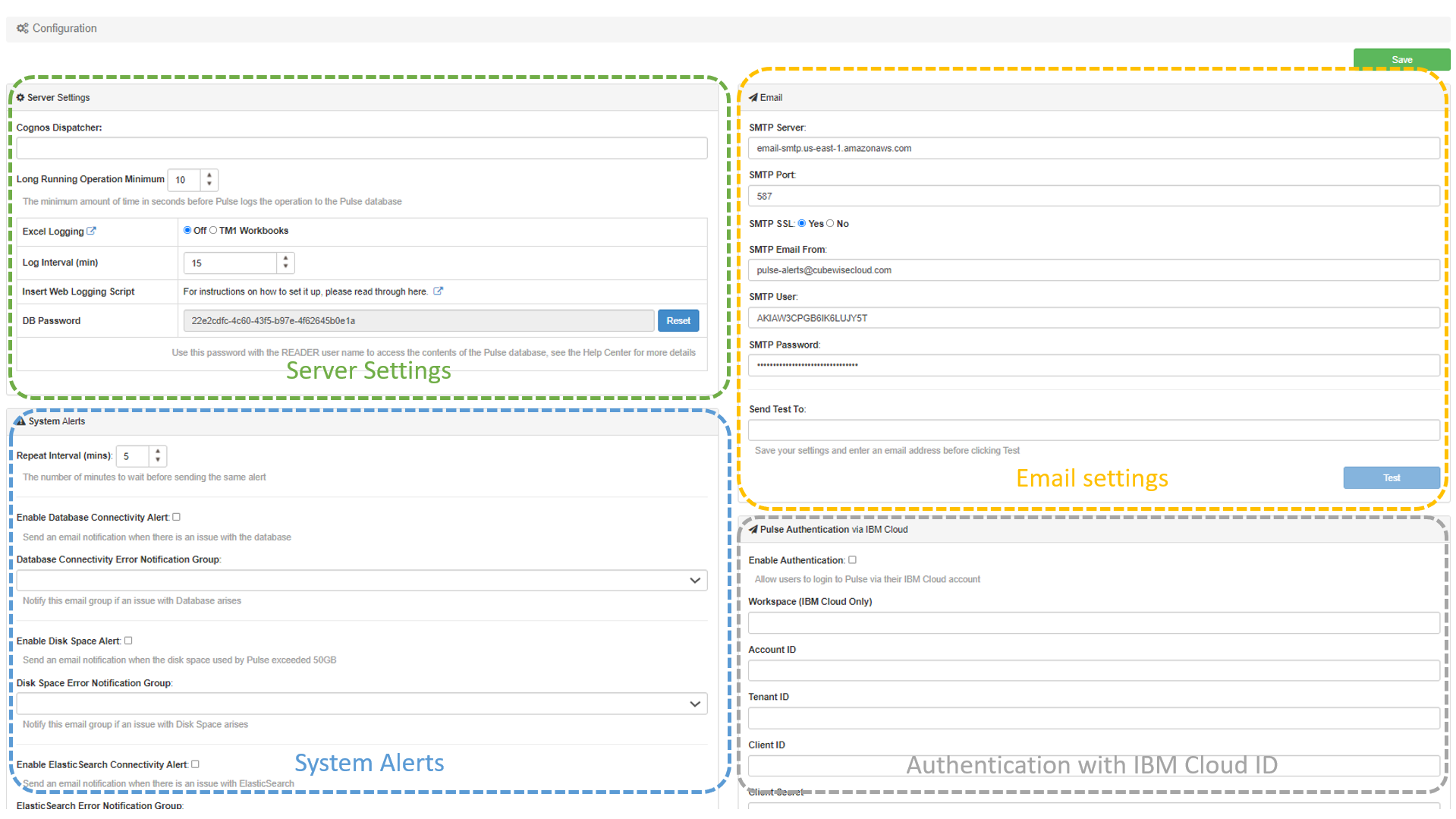
Pulse Configuration
The Configuration page can be split into four sections:
-

Pulse Administration
Under Administration, you will find all configuration settings:
-

log4j Exploit – Possible Action Required
There has been a recent discovery of an exploit in the commonly used log4j library. The vulnerability impacts versions from 2.0 to 2.14.1. The vulnerability allows an attacker to execute remote code, it should therefore be considered serious.
-
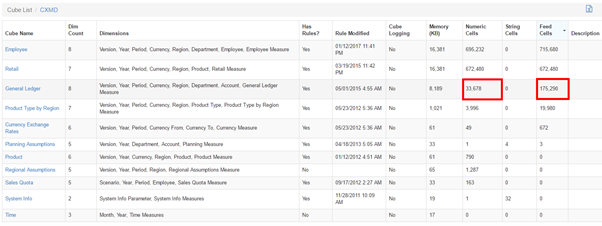
Pulse Cube List
Go to Reports > Documentation > Cube List to see lots of statistics about the cubes.
-
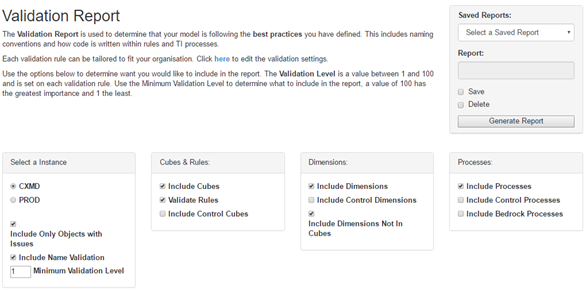
Executing the Pulse Validation Report
Validate your model against predefined rules that help spot possible issues. The predefined rules validate naming conventions of objects as well as common pitfalls in cube rules and Turbo Integrator processes. You can take these as is or alternatively add and remove the validation rules as you see fit.